
The 200 Ton Hydraulic Press Machine is a versatile tool widely used in various industries across China. Its significant capabilities allow for the efficient shaping, molding, and assembling of metal parts. This machine stands out for its high pressure and precision. Businesses benefit greatly from adopting such technology, especially in manufacturing sectors that require heavy-duty performance.
Investing in a 200 Ton Hydraulic Press Machine can enhance productivity. With its reliable operation, the machine minimizes downtime and maximizes production capacity. However, companies must consider the costs associated with maintenance and potential repairs. While the benefits are substantial, challenges can arise if the machine is not properly understood or handled.
As with any machinery, expertise is crucial. Operators should be trained to maximize the machine's potential. Proper use can lead to improved safety and efficiency. Yet, some might overlook this necessity, leading to mishaps. Overall, the 200 Ton Hydraulic Press Machine presents a powerful solution, but it requires thoughtful implementation to truly shine.
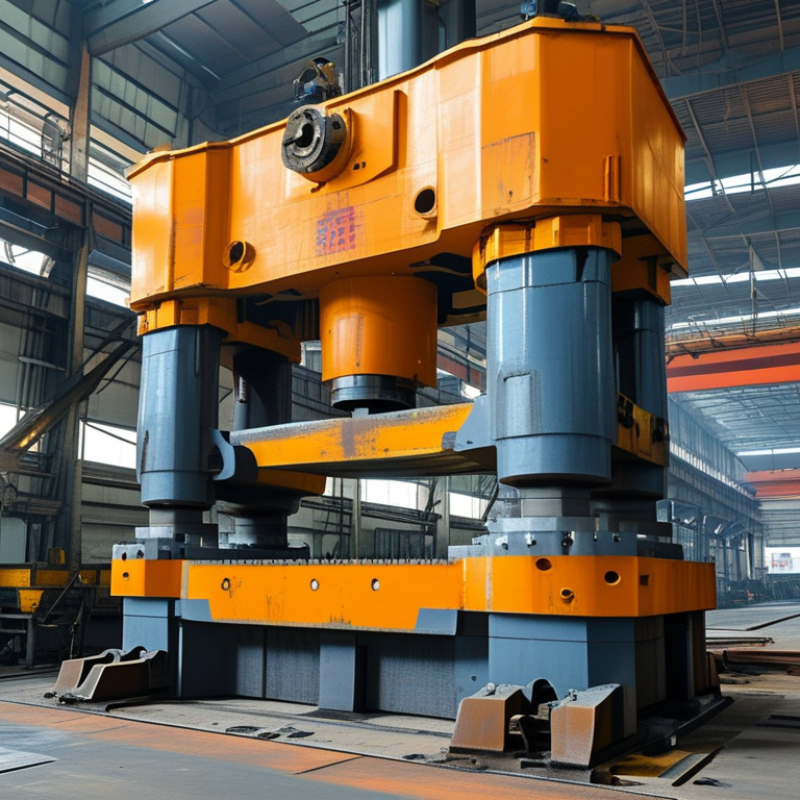
The 200-ton hydraulic press machine in China is notable for its advanced technology and robust capabilities. This equipment excels in various industries, including automotive, aerospace, and manufacturing. It employs hydraulic power to achieve precise force application, accommodating comprehensive production needs. A report from the China Machinery Industry Federation indicates that hydraulic presses account for nearly 35% of the total machinery market.
In terms of performance, these machines often feature high efficiency and energy-saving designs. They can achieve a compressive force of 200 tons with minimal energy consumption, leading to decreased operational costs. However, issues such as maintenance and operational training present challenges. Reports suggest that around 15% of users encounter difficulties due to improper use or lack of skilled operators.
China's focus on automation is evident in the integration of smart technology with these hydraulic presses. This offers enhanced monitoring and control over production processes. Still, the reliance on technology prompts reflection on data security and operational reliability. Industry experts emphasize the need for comprehensive training programs to maximize the benefits of these advanced machines.
The 200 ton hydraulic press machine plays a vital role in several major industries. Automotive manufacturing is one of the primary sectors benefitting from this sophisticated equipment. It effectively shapes and molds metal components. High-quality parts are crucial for vehicle safety and performance. The press allows for precision and speed in production lines, streamlining operations in various automotive plants.
Another significant industry using hydraulic presses is aerospace. Here, these machines are essential for assembling components like fuselage sections and wing parts. The unique designs required demand high force and accuracy. Although the process can sometimes lead to material waste, refinements in techniques are necessary for better efficiency. Continuous improvement in this area is vital for reducing scrap rates and enhancing overall production.
The electronics industry also harnesses the power of 200 ton hydraulic presses. They assist in manufacturing intricate parts for devices, such as smartphones and computers. Precision in this industry is non-negotiable. Yet, there remains a challenge in ensuring every piece meets strict quality standards. Investing in training and technology can enhance output quality, creating a more competent workforce. This highlights the ongoing need for innovation and adaptability in manufacturing processes.
Hydraulic press machines are pivotal in modern manufacturing. They offer remarkable efficiency and strength. For instance, a 200-ton hydraulic press can produce substantial force with minimal energy. This capability makes them ideal for processes such as metal forming, stamping, and molding. According to industry reports, these machines can operate with a force accuracy of about 0.5%, which significantly enhances production quality.
The versatility of hydraulic presses is noteworthy. They can adapt to various materials, from metals to plastics. Reports indicate that manufacturers using hydraulic presses can achieve a 30% increase in productivity compared to traditional methods. This flexibility is crucial in meeting diverse production needs. However, relying solely on such machines without regular maintenance can lead to inefficiencies. It is essential to ensure all components are functioning optimally to avoid production halts.
Safety is another vital consideration. Hydraulic press machines are powerful, but they pose risks if not handled properly. Regular training on operational safety and equipment handling can mitigate these risks. In fact, safety training can reduce workplace accidents by up to 40%. Manufacturers must prioritize both efficiency and safety to create a productive work environment.
The 200 ton hydraulic press machine significantly boosts efficiency in manufacturing processes. These machines enable faster production cycles, allowing businesses to meet higher demand. With powerful force generation, they can mold and shape materials with precise accuracy. Operators report a noticeable reduction in cycle time, enhancing output.
In industries requiring heavy-duty operations, productivity leaps forward. The consistent performance of a 200 ton machine helps minimize downtime. Regular maintenance is essential, as wear and tear can affect reliability. Investments in training for operators can yield better results, promoting safe and effective use. The technology offers scalability, adapting to different projects, yet companies must ensure they regularly review operational protocols.
Despite these advantages, challenges persist. Integration with existing systems may require adjustments. Operators must adapt to complex controls, which can lead to temporary frustration. Continuous improvement is vital for harnessing the machine's full potential. Addressing these points ensures that efficiency gains are sustainable over time.
| Benefit | Description | Impact on Efficiency | Impact on Productivity |
|---|---|---|---|
| Increased Force | Provides a strong, consistent force for various applications. | Enhances operational speed for heavy tasks. | Allows for quicker project completion times. |
| Versatility | Applicable in manufacturing, metal forming, and assembly. | Adaptability increases machine utility. | Facilitates multi-purpose use in production lines. |
| Energy Efficiency | Optimized hydraulic systems reduce energy consumption. | Reduced operational costs through lower energy usage. | Allows for longer run times without excessive energy expenses. |
| Safety Features | Equipped with advanced safety mechanisms to protect operators. | Minimizes the risk of accidents and injuries. | Reduces downtime due to safety incidents. |
| Precision Engineering | Utilizes CNC technology for high accuracy. | Improves quality and consistency of finished products. | Enhances overall production effectiveness. |
The design of hydraulic presses has evolved significantly, especially with a focus on safety features. Modern 200-ton hydraulic press machines integrate advanced safety mechanisms. These include automatic shut-off systems that engage when the machine detects a malfunction. Such features enhance operational safety and reduce the risk of accidents.
Another innovation is the inclusion of pressure sensors and emergency stop buttons. These components allow operators to monitor pressure levels in real time. If pressure exceeds safe limits, the machine's systems automatically trigger a shutdown. This responsiveness is crucial for preventing catastrophic failures.
Despite these advancements, operators must remain vigilant. Safety procedures should be regularly revisited and reviewed. Training sessions can help reinforce the importance of following safety protocols. Regular maintenance is essential to ensure that safety features are functional and reliable. Through constant reflection on safety practices, efficiency and safety can coexist in hydraulic operations.
: They are mainly used in automotive manufacturing to shape metal components for vehicles.
They are essential for assembling parts like fuselage sections and wings, requiring high force and accuracy.
Ensuring every part meets strict quality standards can be difficult, despite the need for precision.
They enable faster production cycles, reducing cycle times and boosting overall output significantly.
Regular maintenance is crucial to minimize wear and tear, ensuring reliability and performance.
Features include automatic shut-off systems and pressure sensors to monitor and control operational safety.
It enhances skills, promotes safe use, and helps overcome the complexities of the machine's controls.
Regularly reviewing operational protocols and investing in equipment training can yield better results.
Adjustments may be necessary, leading to potential frustrations as operators adapt to new controls.
Regularly revisiting safety procedures and conducting training sessions reinforce the importance of safety protocols.
The 200 Ton Hydraulic Press Machine has become a pivotal technology in various industries across China, showcasing its versatility and efficiency. This powerful machine is widely utilized in manufacturing sectors such as automotive, metalworking, and construction, where precision and strength are critical. The adoption of the 200 Ton Hydraulic Press Machine facilitates significant improvements in productivity, allowing manufacturers to achieve higher output with reduced labor costs.
In addition to enhancing efficiency, the 200 Ton Hydraulic Press Machine incorporates advanced safety features and innovative designs, ensuring a secure working environment for operators. Its robust construction and reliable performance contribute to the growing demand for hydraulic presses, making them an indispensable tool in modern manufacturing processes. The combination of these key advantages positions the 200 Ton Hydraulic Press Machine as a cornerstone of technological advancement in China’s industrial landscape.
