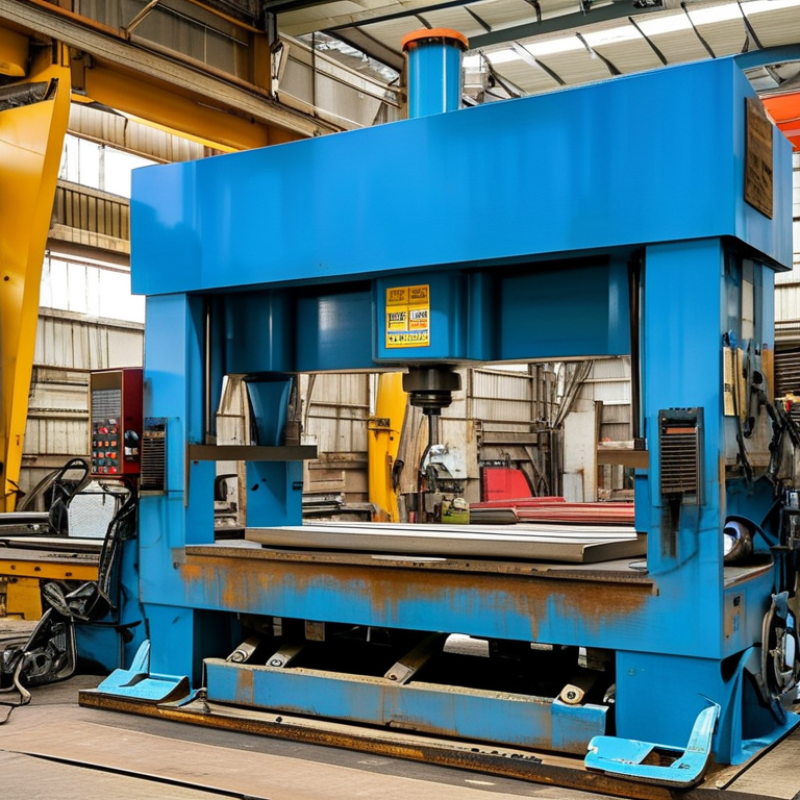
In the realm of metalworking, the **Hydraulic Press Bending Machine** stands out as a vital tool. This machine allows for precise bending and shaping of various materials. When choosing the right model, buyers must consider several factors.
These machines vary in design, capacity, and features. Users may face challenges determining which machine best fits their needs. Some machines offer advanced technology for increased efficiency. Others may focus on simplicity and ease of use. It's crucial to weigh these options carefully.
We present the top 10 hydraulic press bending machines available globally. Each option is evaluated based on performance, durability, and user feedback. These insights aim to guide potential buyers through the selection process. With thoughtful consideration, users can invest in a machine that truly enhances their operations.
Overview of Hydraulic Press Bending Machines
Hydraulic press bending machines play a crucial role in metal processing and fabrication. They are designed to create bends in metal sheets with high accuracy and efficiency. According to industry reports, the global market for hydraulic bending machines is projected to grow at a CAGR of 5.6% from 2023 to 2030. This growth is attributed to the rising demand for precision manufacturing in sectors such as automotive and aerospace.
These machines apply force through hydraulic cylinders, allowing for greater control in bending processes. They can handle various materials, including steel, aluminum, and copper. The ability to produce consistent results makes them invaluable in modern manufacturing. Many companies are transitioning to automated systems to improve productivity and minimize human error.
When choosing a hydraulic press bending machine, consider several factors. Evaluate the machine's tonnage capacity and bending length based on your production needs. Additionally, assess the technological features, such as programmable controls that enhance efficiency. Understanding the material properties you will be working with is essential for optimal performance. Remember, investing in quality machinery can lead to significant long-term benefits.
Key Features to Consider When Choosing a Hydraulic Press
When selecting a hydraulic press bending machine, several key features must be prioritized. One significant factor is the machine's tonnage capacity. The right tonnage affects the bending force applied. For instance, a survey from the Machinery Research Institute indicates that machines with capacities ranging from 50 to 300 tons are favored in various industrial applications. This choice directly influences production efficiency and product quality.
Another crucial consideration is the machine's control system. Advanced models often come with CNC systems. A 2022 study highlighted that CNC-bending machines improve precision by up to 15% compared to manual controls. This increase in accuracy streamlines production processes and reduces material waste. Moreover, factors such as the speed of operation and the bending angle flexibility can significantly impact productivity. Importantly, it's essential to assess the machine's safety features, as job site accidents can result in significant downtime and costly repairs.
Finally, it's worth reflecting on the importance of material compatibility. Different materials require unique bending techniques. However, many operators underestimate this aspect, leading to suboptimal results. Understanding the specific materials your operations will use can lead to better machine selections and enhanced overall performance. The balance of these factors can lead to smarter purchasing decisions for hydraulic presses.
Top 10 Hydraulic Press Bending Machines - Key Features Comparison
Top 10 Hydraulic Press Bending Machines: A Comparative Analysis
When considering hydraulic press bending machines, the choice can be overwhelming. Many key features can impact performance. Buyers should focus on specifications like bending capacity and pressure ratings. Some machines excel in precision, while others focus on speed. It's essential to weigh these factors based on your operational needs.
Another aspect to consider is support and maintenance. Some machines require specialized knowledge for repairs. Accessibility to spare parts can vary significantly between models. This becomes critical, especially for businesses dependent on high uptime. A machine might look robust but could fall short in serviceability. Reflecting on these differences can prevent costly downtime in the future.
Evaluating user reviews can shed light on real-world application. Feedback often reveals nuances not covered in specifications. Some machines might have hidden strengths or weaknesses. A machine that operates well in a controlled environment may face challenges under heavier loads. Understanding practical experiences can guide better purchasing decisions.
User Reviews and Ratings of Popular Hydraulic Press Brands
When selecting a hydraulic press bending machine, user reviews are invaluable. Many buyers share their experiences with ease of use, durability, and performance. A common theme is the learning curve. While some find it straightforward, others struggle initially. It's crucial to recognize that each machine has unique features. These characteristics can significantly affect user experience.
Another point of discussion is customer support. Reviews often highlight the importance of responsive service. Buyers appreciate brands that provide guidance during setup and troubleshooting. Some users mentioned delays in receiving assistance. This can be frustrating especially when work is halted. Nevertheless, many satisfied customers report improved efficiency after resolving initial issues.
Reliability is a vital factor too. Users consistently emphasize the need for sturdy construction. Reviews frequently mention how heavy-duty machines surpass expectations in performance. Yet, some note that lighter models may suffice for smaller tasks. Keeping a balance between capacity and size is essential for optimal results. They remind potential buyers to consider their specific needs before making a choice.
Maintenance Tips for Optimal Performance of Hydraulic Press Machines
Maintaining hydraulic press bending machines is crucial for consistent performance. Regular inspection of hydraulic fluid levels ensures that the machinery operates smoothly. According to industry reports, optimal fluid levels can improve efficiency by up to 30%. Operators should check for leaks frequently, as even a small loss can lead to significant pressure drops.
Properly cleaning the machine is another key aspect of maintenance. Dust and debris can accumulate, affecting components. Regular cleaning not only extends the life of the press but also ensures accuracy in bending operations. Reports indicate that machines that are maintained correctly can last 20% longer compared to those that are neglected.
Operators should also pay attention to the calibration of their equipment. Misalignment can cause uneven bending, leading to product defects. Regular calibration checks can prevent costly rework and scrap. Training staff is essential for proper maintenance. Skilled operators are more likely to notice potential issues early.
Conclusion
The article "Top 10 Hydraulic Press Bending Machines for Global Buyers" provides a comprehensive overview of hydraulic press bending machines, highlighting their importance in various industrial applications. It outlines key features that buyers should consider, such as capacity, precision, and ease of use, ensuring informed purchasing decisions.
A comparative analysis of the top 10 hydraulic press bending machines is presented, detailing their specifications and functionality. Additionally, user reviews and ratings offer insights into the performance and reliability of popular models. To maximize the lifespan and efficiency of these machines, the article concludes with essential maintenance tips, ensuring optimal performance in demanding work environments.